
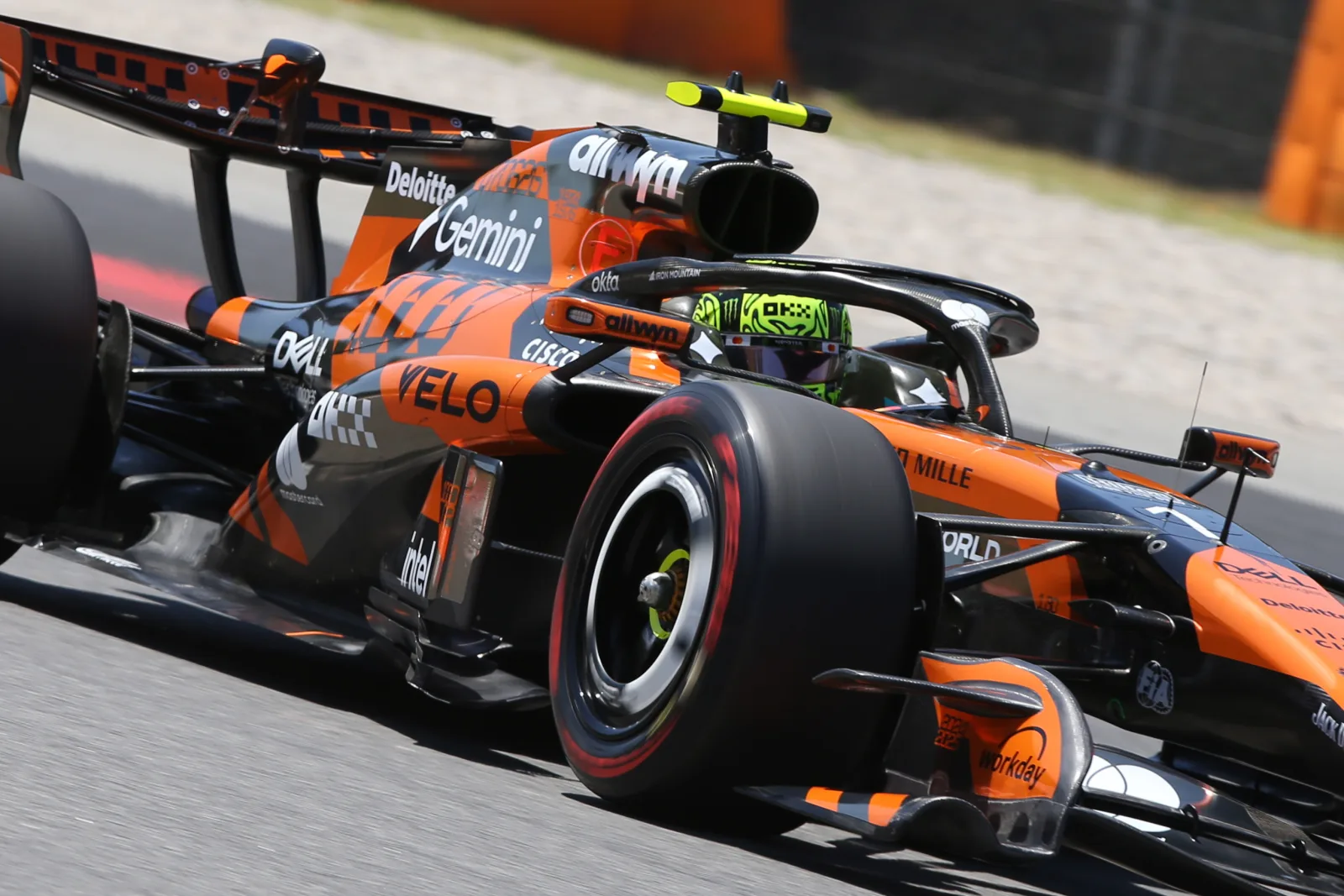
Lando Norris claimed his first Grand Prix victory of the 2026 season after a heavily strategy-driven race at the Hungaroring, where tyre choices, traffic and pit-stop timing proved crucial. A fixture on the Formula One calendar since 1986, the tight and technical Hungaroring is notoriously difficult for overtaking, placing a premium on track position and strategy.
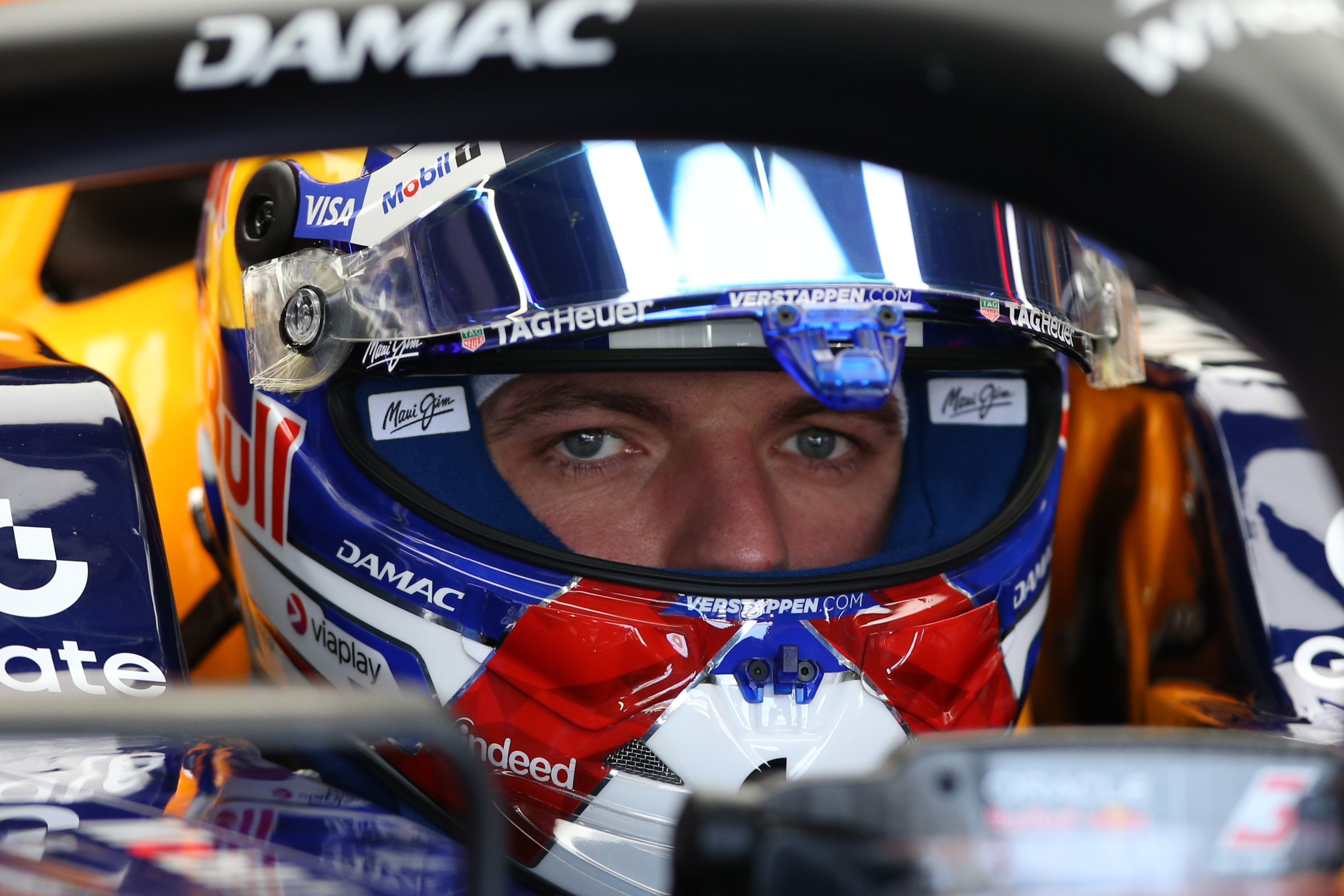
Starting from pole, Norris initially retained the lead, but team-mate Oscar Piastri made his move at Turn 2 to take control of the race. Behind them, Max Verstappen moved from fourth to third during a busy opening lap, while Hamilton climbed from fifth to fourth. Leclerc was the biggest loser among the front runners, dropping from the front row to fifth.
The opening laps quickly demonstrated just how difficult overtaking would be. Hamilton appeared to have considerably more pace than Verstappen but was unable to find a way through, leaving both Ferraris losing ground to the McLarens ahead.
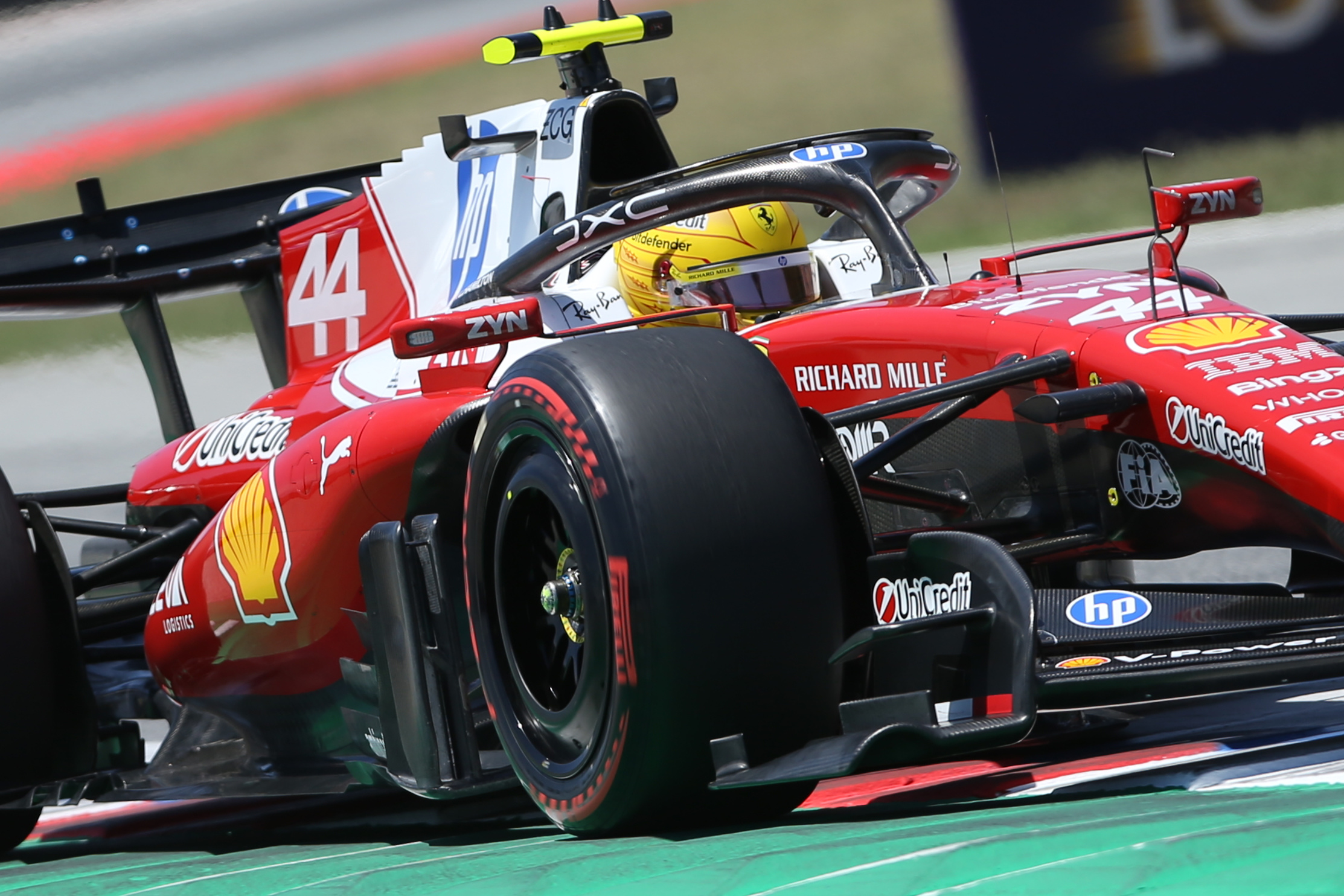
Ferrari had started Hamilton and Leclerc on soft tyres, in contrast to the mediums fitted to both McLarens and Verstappen, and Hamilton became the first of the leading group to stop on lap 14. The undercut initially moved him ahead of Verstappen when the Red Bull stopped one lap later, but Verstappen responded immediately, reclaiming the position with one of his signature late-braking lunges into Turn 1.
At the front, Piastri continued to lead Norris as McLaren faced its own strategic dilemma. Norris repeatedly suggested he had greater pace, but with overtaking his team-mate proving difficult, the decisive moment instead came during the second round of stops.
Piastri stopped on lap 33, while Norris remained on track and was finally released into clean air. Despite running older tyres, the reigning World Champion produced a sequence of rapid laps that began turning the race in his favour.
Piastri's progress was then compromised further when he encountered Carlos Sainz in traffic and made contact with the Williams at Turn 2. Norris continued to push before making his second stop at the end of lap 39, emerging ahead of his team-mate and completing a decisive strategic overcut.
The race changed again with 15 laps remaining when Piastri suffered an apparent gearbox problem and was forced to retire. The resulting Virtual Safety Car triggered another round of strategic decisions, with Norris, Hamilton and Leclerc all stopping while Verstappen remained on track.
Kimi Antonelli also stayed out, having made his second stop only two laps earlier, and suddenly found himself in podium contention. The Mercedes driver had already endured a difficult weekend after a qualifying penalty dropped him from fourth to seventh on the grid, but the late timing of his stop ultimately helped him secure third.
Hamilton piled the pressure on Antonelli through the closing laps, briefly dropping back after running wide at Turn 2 on lap 60 before traffic quickly brought him back onto the Mercedes' tail. Despite carrying a five-second penalty for speeding in the pit lane, the seven-time World Champion continued to threaten, but Antonelli held firm to claim the final podium position.
George Russell produced one of the day's strongest recovery drives. An anti-stall problem at the start dropped the Mercedes driver from seventh to 19th, but he steadily fought his way back through the field to finish seventh.
Norris remained unchallenged through the closing laps, eventually taking the chequered flag 15.080 seconds ahead of Verstappen, with Antonelli completing the podium.
On a circuit where passing opportunities are notoriously limited, the Hungarian Grand Prix was ultimately decided not by a succession of on-track battles, but by who best managed the constantly shifting strategic picture.