
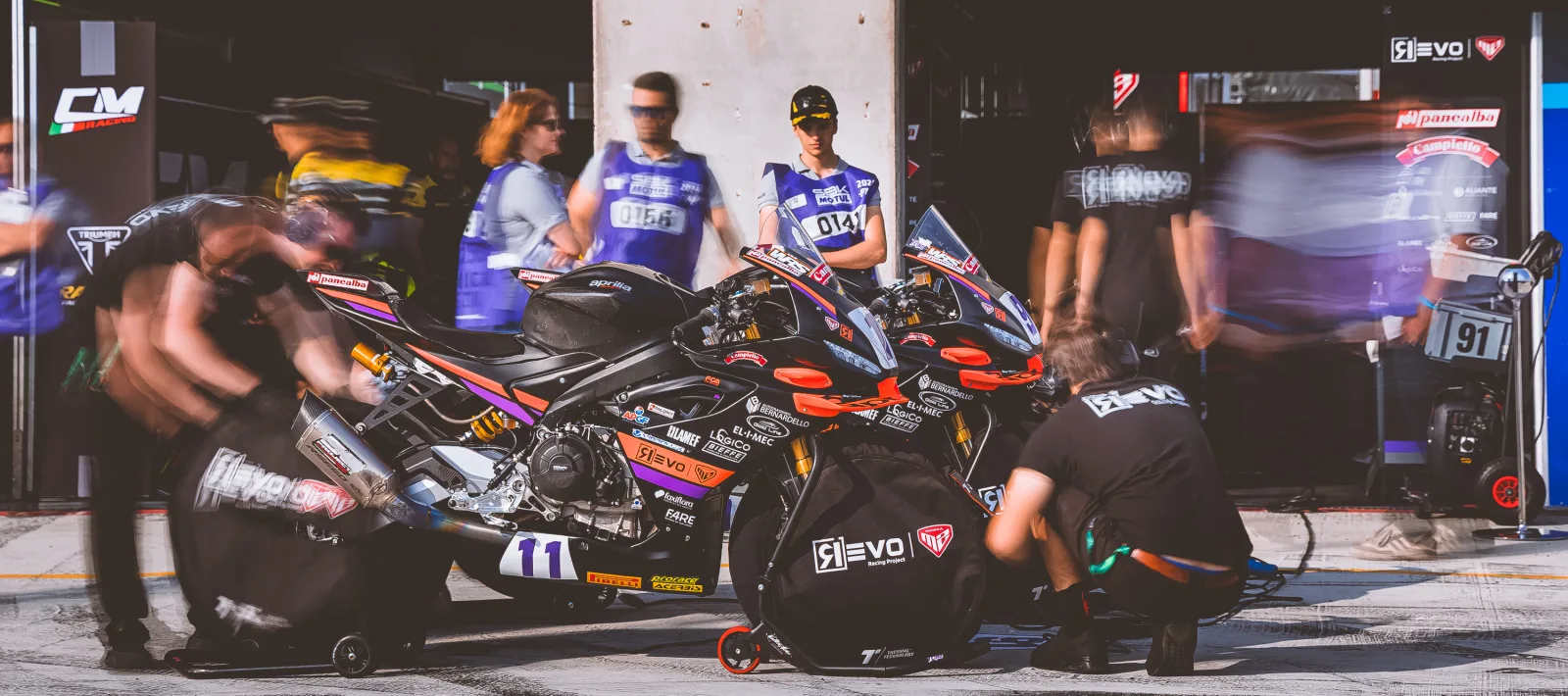
The first time you walk into the pit lane at a major international motorsport event, there's a moment when you have to remind yourself that you're there to work.
For anyone who grew up watching racing, these are the places that once seemed unreachable. You saw them on television: the garages, the pit wall, the mechanics preparing the machines and the riders or drivers waiting for their moment to go out on track. To give it everything they've got. To push themselves and their machines to the absolute limit. To seek perfection. Be the fastest. Win. It was another world: a world of dreams, vibrant colour and clinical speed, separated from your own by fences, television screens and childhood imagination.
Then, one day, you walk into that world carrying a camera and wearing a media vest.
The first thing that strikes you is how alive it all feels. The pit lane has its own soundtrack: engines firing into life, generators humming, tools rattling and, everywhere you look, tyres. Tyres being stacked, tyres being wheeled around on trolleys, tyres being lined up and tyres being scrutinised by officials.
There's the smell of fuel, hot rubber, brakes and oil. Mechanics work around the racing machines with astonishing speed and surgical precision, while riders, drivers, engineers, officials, camera crews and photographers move around one another in a kind of spontaneous choreography.
At first glance, it can look like chaos. Spend a little time inside it, however, and you begin to see that it's closer to clockwork. Almost everybody knows exactly where they need to be and what they need to do. Each person is a small cog in an enormous machine that's been built for one beautiful purpose: to produce a race.
As a photographer, you quickly become part of the machine. Motorsport is spectacle. Spectacle needs to be seen. Your camera becomes the window through which it's shared with the world.
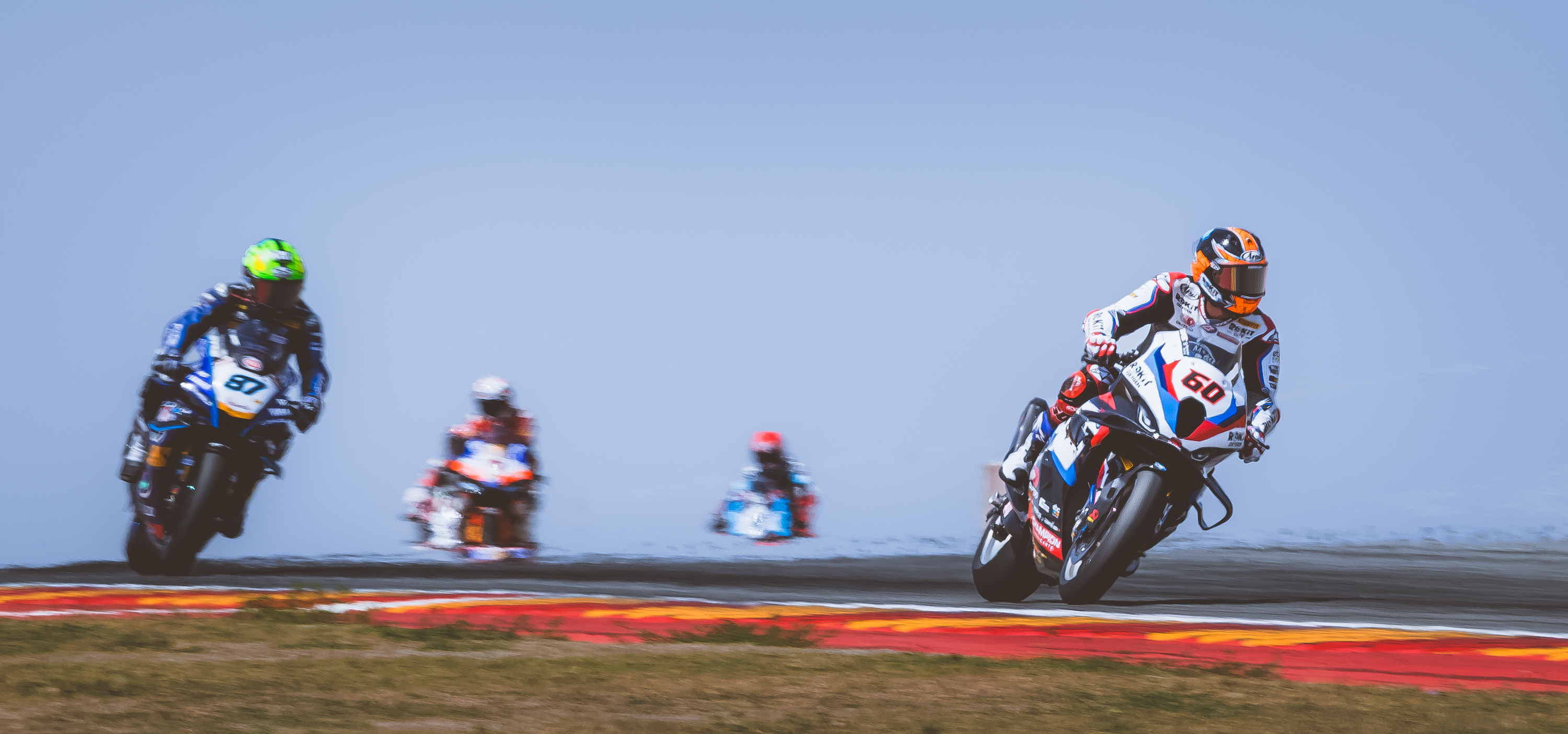
A race weekend is controlled by time. Practice sessions, qualifying, races, pit-lane openings, grid procedures and parc fermé celebrations all take place within narrow windows. You are constantly checking the schedule and calculating where you need to be next. There may be a moment happening in the pit lane, but you also know that you need to reach a particular corner before the next session begins. Stay too long and you risk missing the track action. Leave too early and you might walk away just before something really important happens.
That pressure is all part of the excitement. The thrill of the chase keeps you going all weekend. Find your position. Get the shot. Move on.
Motorsport photography is not only about knowing how to operate a camera. It's about anticipation. You try to predict where the action will happen, where the light will fall and which position will give you something different. You have to calculate. You have to judge. The direction of the sun. The background. The fencing. The available access. How long it will take to reach your next location.
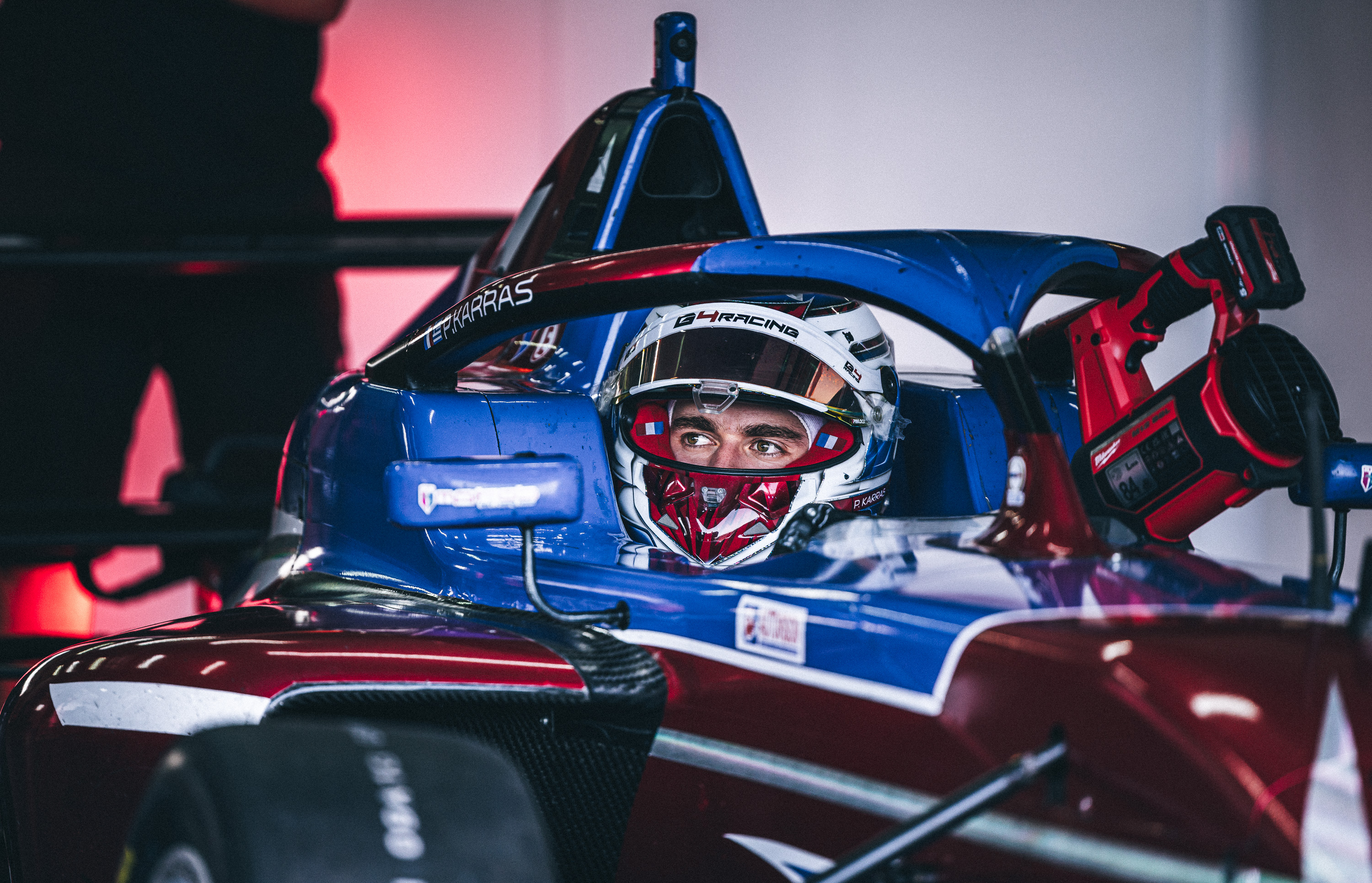
Then the session begins.
You hear the machines before you see them. The sound grows closer until the first bike or car suddenly appears, travelling at a speed that television can never fully communicate. You raise your camera, follow the movement and press the shutter. For a fraction of a second, everything has to come together: your position, your timing, your settings, the light, the movement, the rider's posture or the driver's control.
Sometimes it doesn't work. The focus misses, the shutter speed is wrong or the subject moves differently from how you expected. Sometimes you arrive seconds too late and realise the moment you wanted has already passed.
But occasionally, everything comes together.
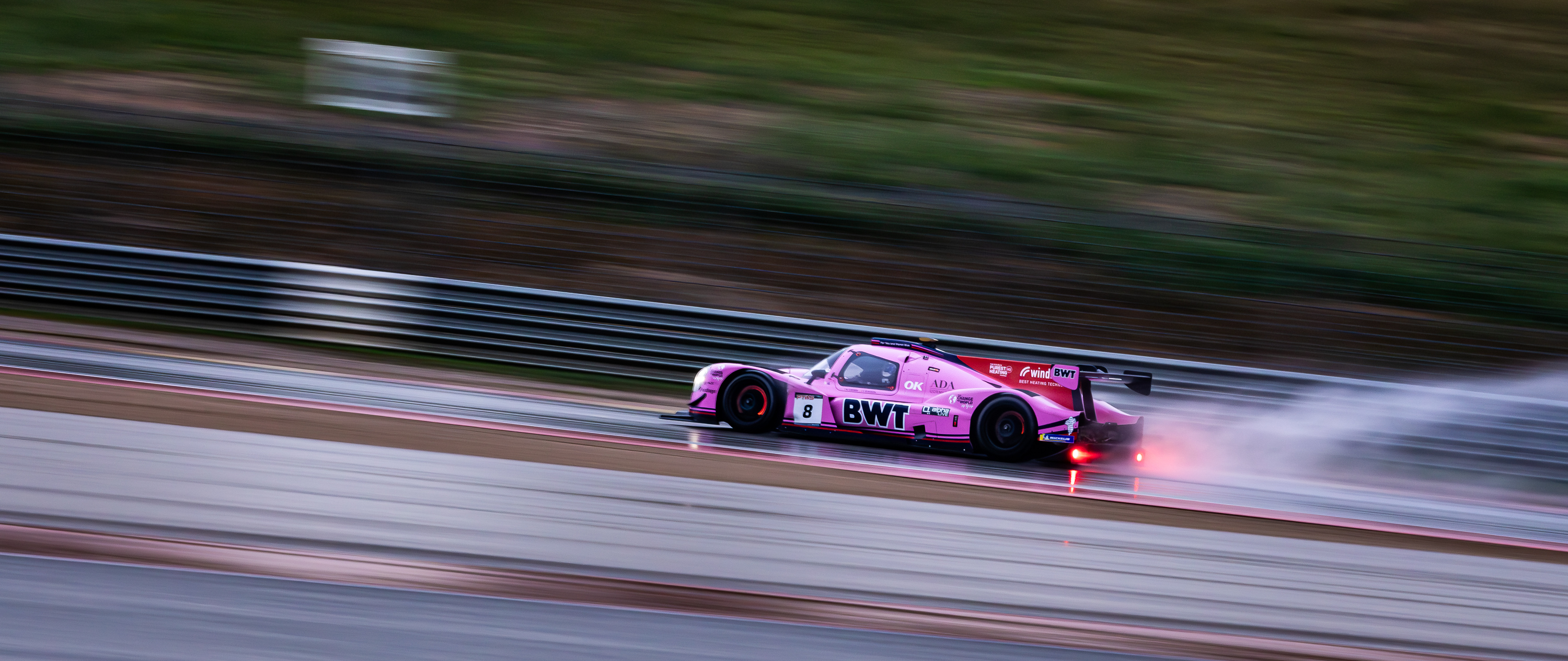
The subject is sharp, the wheels and background carry exactly the right amount of movement, and the light catches the machine perfectly. You quickly review the shot and know immediately that you've captured something. It's difficult to describe the rush of that moment. It's partly relief, partly satisfaction, but mostly pure adrenaline. You made the decision, put yourself in the right place and got the shot.
There's little time to enjoy it. Another machine is already approaching.
That intensity continues throughout the weekend. Between sessions, when the track falls quiet, you return to the media centre to download photographs, make selections, edit, write captions and add metadata. Then you check the schedule and begin again. Next session. Next race.
By Sunday evening, after three days of carrying equipment, walking the circuit, working in the heat and concentrating almost continuously, the tiredness goes far beyond aching legs and shoulders. Your mind is exhausted.
Yet it's the kind of exhaustion that leaves you wanting to do it all again. And again. And again.
What stays with me most is the sense of being part of something much bigger. A major race meeting depends on thousands of people: riders and drivers, engineers, mechanics, marshals, officials, medical crews, cleaners, caterers, security staff, broadcasters, journalists and photographers. Some are seen by millions of people; many are barely noticed. Every one of them contributes something essential.
At the centre of it all is an idea that couldn't be simpler: be faster than everyone else.
It's all for the love of speed. That's the heart of racing. Everything else - the technology, the money, the huge convoy of lorries and the global television coverage - exists to make that contest possible.
The photographer's role is to preserve small pieces of it. A rider's concentration before a session. A mechanic making a final adjustment. The violence and beauty of a machine at speed. The colour, the movement and the blur. The celebration in parc fermé and the disappointment on the other side of the garage.
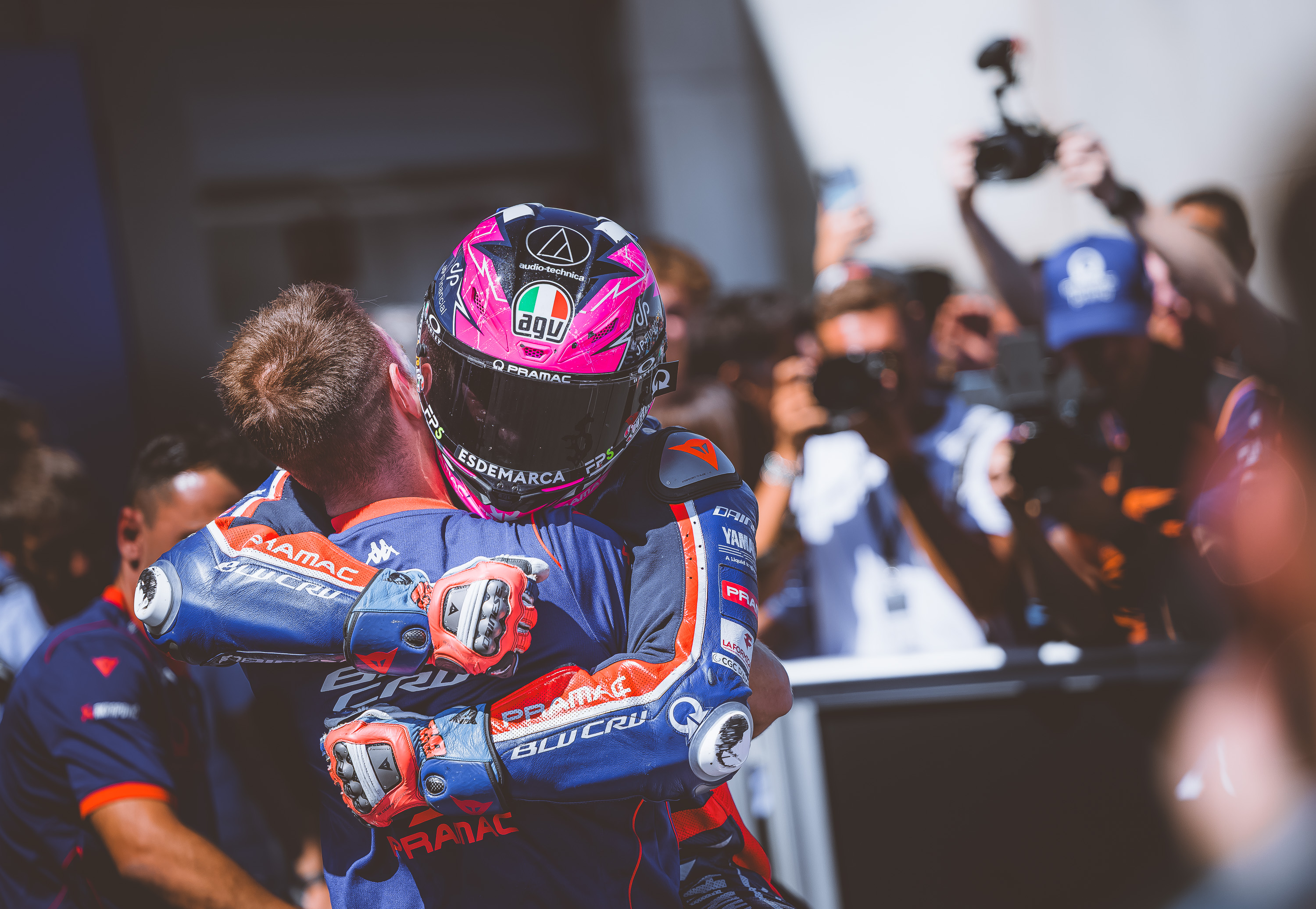
We try to turn fractions of a second into something that communicates what it felt like to be there.
That is why I do it. Not simply to photograph fast cars or motorbikes, but to capture the charged atmosphere, the raw emotion and the sheer human effort behind them. To stand as close as possible to the action, to become part of this remarkable circus and to bring a glimpse of its magic back with me.
Above all, though, I want to capture what every motorsport fan holds dear: the pure essence of racing. The speed. The competition. And our insatiable desire to go faster.