
Pole position at Monaco is often decisive. On Saturday in Monte Carlo, Kimi Antonelli ensured it was his.
The championship leader produced a lap of precision - a 1:12.051 delivered under peak pressure in the final moments of qualifying - to edge Max Verstappen by just 0.043 seconds and secure the most valuable grid slot in Formula 1. The time was 2 seconds slower than pole position last year, as the new generation of cars got their first taste of this twisty street circuit.
Build up to Qualifying
Prior to the session starting the weekend had history displayed in style - McLaren marked their 1,000th Grand Prix with demonstration laps from legendary cars and drivers from their storied past. The current Contructors world champions have come a long way since Zak Brown became CEO in 2018. It's almost hard to believe it was so recent that the team were rolling round in last place regularly with very few sponsors on their car and very public trouble with their engine partner Honda.
A session decided in margins, and moments
The shape of the quali hour followed a familiar Monaco pattern: evolving track conditions, rising risk, and a field tightening towards the sharp end.
Ferrari had arrived as favourites, their low-speed strength evident across practice. They also had additional support in the garage as Kim Kardashian and sister Khloe added to the glitz and glamour of Monaco. Charles Leclerc, driving at home, carried that momentum into Q3, briefly holding provisional pole as the closing minutes ticked away. But Monaco offers no forgiveness.
As Verstappen improved to take top spot, Leclerc responded - pushing beyond precision and apparently into desperation. The margin he seemed to have in his pocket vanished, the rear stepped out on his final hot lap, and the Ferrari brushed the barrier. His challenge ended there, his grid position settling at fourth. It was, in a single moment, the entire Monaco proposition laid bare.
Antonelli's control amid the chaos
As Leclerc's lap fell apart, Antonelli's came together. His qualifying had not been clean. Early instability left the Mercedes driver searching for balance, the car unsettled on a circuit that demands absolute trust. But as the track improved and the pressure sharpened, so did he.
"Qualifying wasn't completely straightforward at the start... the car felt a bit on edge," Antonelli said afterwards. By Q3, that discomfort had been replaced by control.
"That final segment was extremely tense... it really came down to nailing the lap at the right moment." He did exactly that. No purple sectors, no obvious stand out spectacular brilliance, or was there? - just three clean, committed sectors threaded between the barriers with enough precision to reclaim pole. At Monaco, that is brilliance.
Why Saturday defines Monaco
There is a reason drivers speak of qualifying here differently. The Circuit de Monaco offers almost no opportunity to recover a lost position. Its narrow layout and lack of overtaking zones means the grid order often becomes the finishing order, barring unusual strategy or weather intervention. Everything, therefore, is compressed into this one hour.
Monaco qualifying is not about speed alone, but also focus and execution. The circuit offers a single racing line, no space for correction, and barriers that punish the smallest misjudgement. Drivers chase a perfect lap knowing that one moment of overcommitment ends the attempt entirely.
"Track position is key in Monaco, and that's why we put a huge emphasis on qualifying," Alpine's Dave Greenwood explained. The risk profile shifts accordingly. Drivers attack harder, carry more speed, and accept margins that would be reckless elsewhere. The reward - a single grid position - is simply too valuable to ignore.
Ferrari close, but not quite enough
Behind Antonelli and Verstappen, Ferrari's qualifying was defined by what might have been.
Lewis Hamilton extracted a composed lap to secure third, delivering under pressure in a session where several contenders faltered. "There were a lot of cars capable of taking P1... so to come away with third gives us a platform," he reflected.
Leclerc's fourth, however, carried a different weight. At his home race - and on a weekend where Ferrari looked quickest - pole had been within reach. At Monaco, "within reach" is rarely enough.
Further back, the margins remained equally tight.
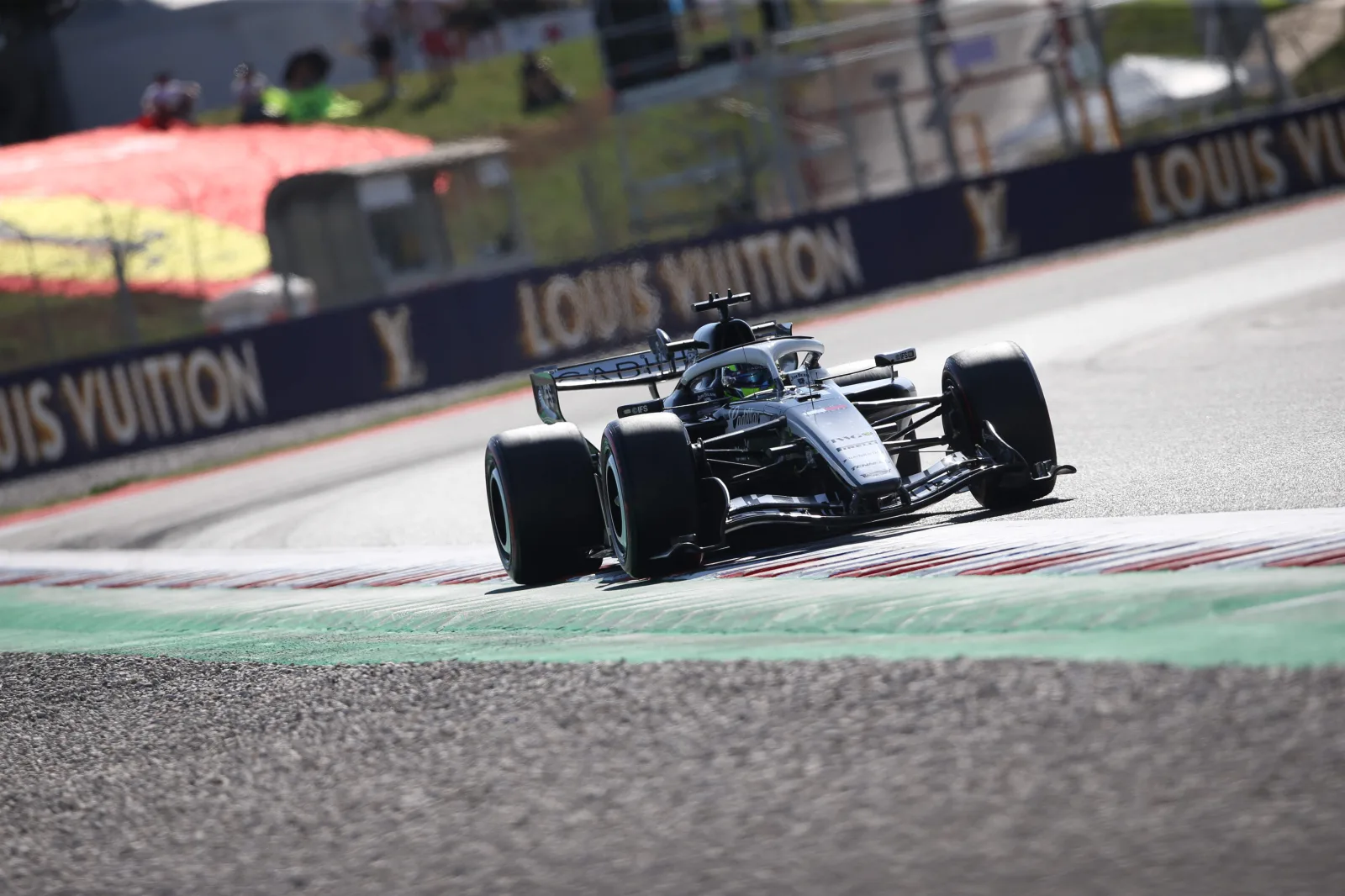
Isack Hadjar delivered one of the standout performances of the session to take fifth, while George Russell struggled to find the confidence required for Monaco's narrow confines, settling for sixth. Gasly and Lawson also made it through to Q3 with note worthy performances. Although Gabriel Borteletto will be disappointed he clipped the barrier at the Nouvelle Chicane and broker his front suspension in Q1 having looked to have decent pace in the practice sessions.
"You need full confidence in the grip level... and I didn't quite have that," Russell admitted. McLaren's Oscar Piastri and Lando Norris followed in seventh and eighth, their pace evident but incomplete when it mattered most.
Sunday: pressure builds
The race that follows is rarely about overtaking. It is about control. Antonelli will start with the greatest advantage Monaco offers: clean air, track position, and the ability to dictate pace. Verstappen sits close enough to apply pressure. Ferrari, locked together on the second row, must look to strategy as best they can rather than raw pace.
Antonelli, for his part, understands the job is only half complete.
"To be on pole here means a lot... but it's only the first step. I know who's around me - they'll be putting on the pressure." At Monaco, though, pressure comes from behind, but also it comes from the walls, the circuit, and the knowledge that ultimate glory awaits if you can master control of yourself.